Prints
Article: Gowns vs. Dresses: What's the Difference?
Gowns vs. Dresses: What's the Difference?
The short answer: every gown is a dress, but not every dress is a gown. A gown is a long, formal dress made for black-tie events, galas and evening weddings. A dress is the wider category: it can be any length, any fabric and any level of formality, from a garden party to a cocktail reception.
The words often get used interchangeably, and that is where most dressing questions start. An invitation says “formal,” and suddenly you are deciding between a floor-length gown and a polished midi. Knowing what separates the two makes that choice easier.
Below, we break down the four things that set a gown apart from a dress: length, silhouette, fabric and formality. Then we match each one to the occasions where it belongs.
What Makes a Gown a Gown?
A gown is defined by four things working together. A long hem alone does not make a gown; a maxi sundress in cotton is still a dress.
Length
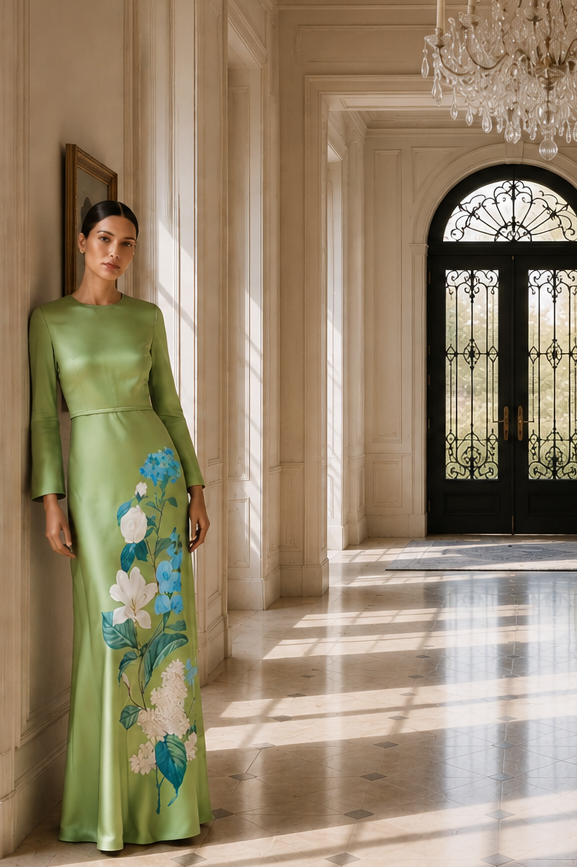
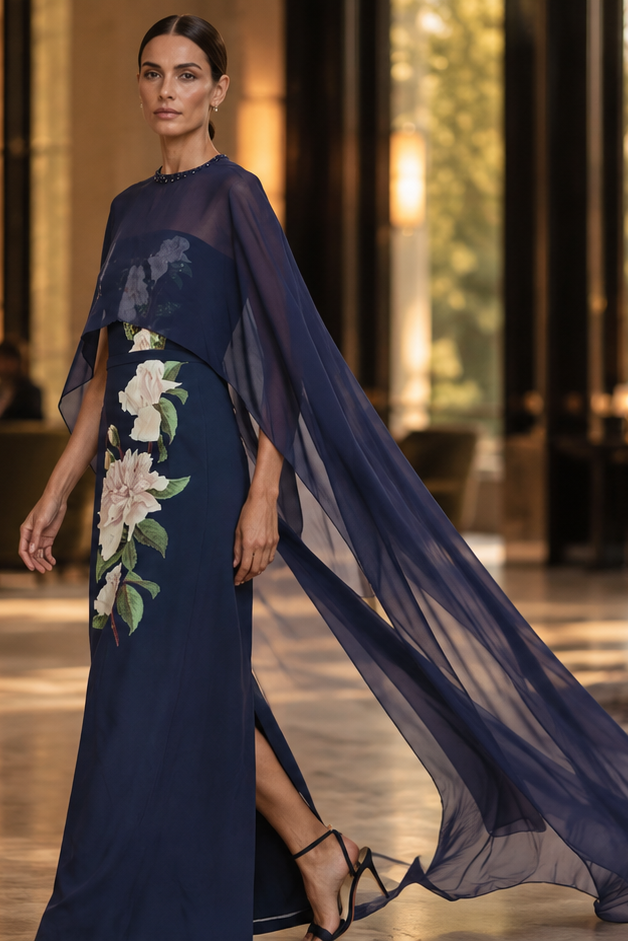
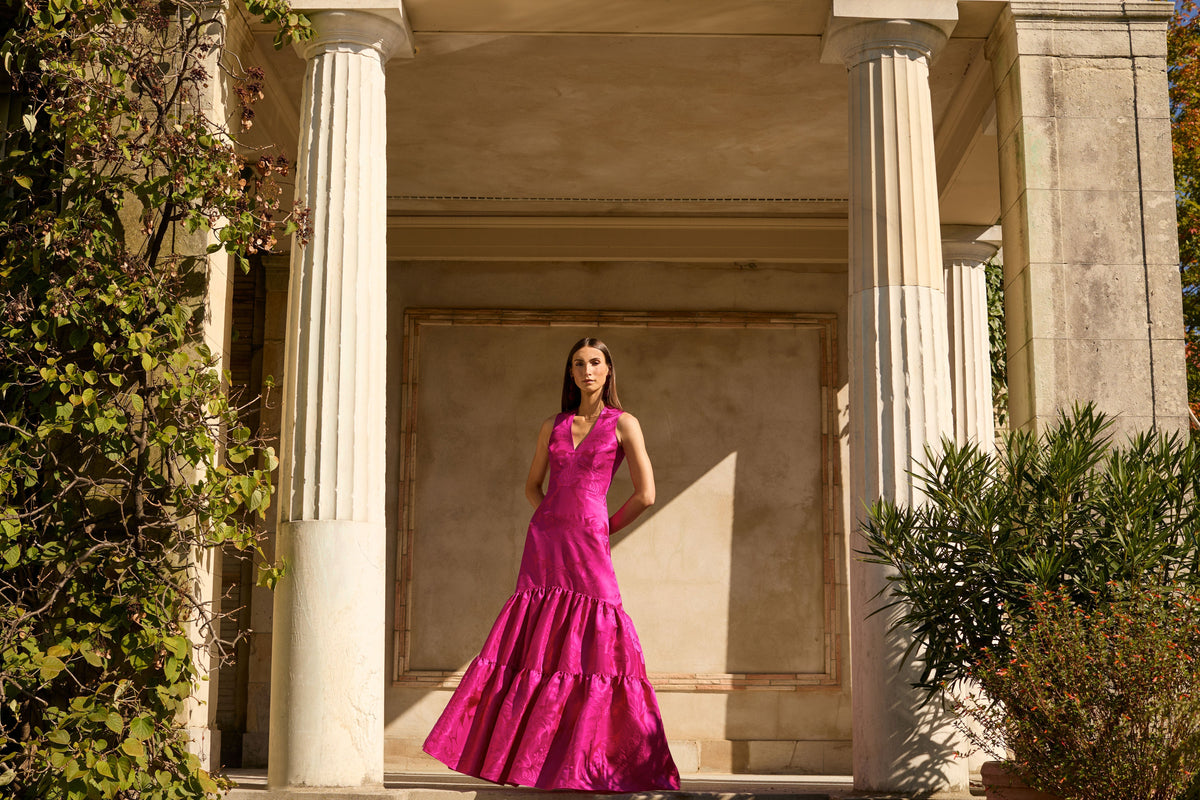
Gowns are long, usually reaching the floor or the ankle, and some finish with a sweep or train. Dresses come in every length: mini, knee-length, midi, tea-length and maxi. If the hem sits above the ankle, you are almost always looking at a dress. When trying on a gown, wear your event shoes so you can see where the hem falls and walk comfortably.
Silhouette
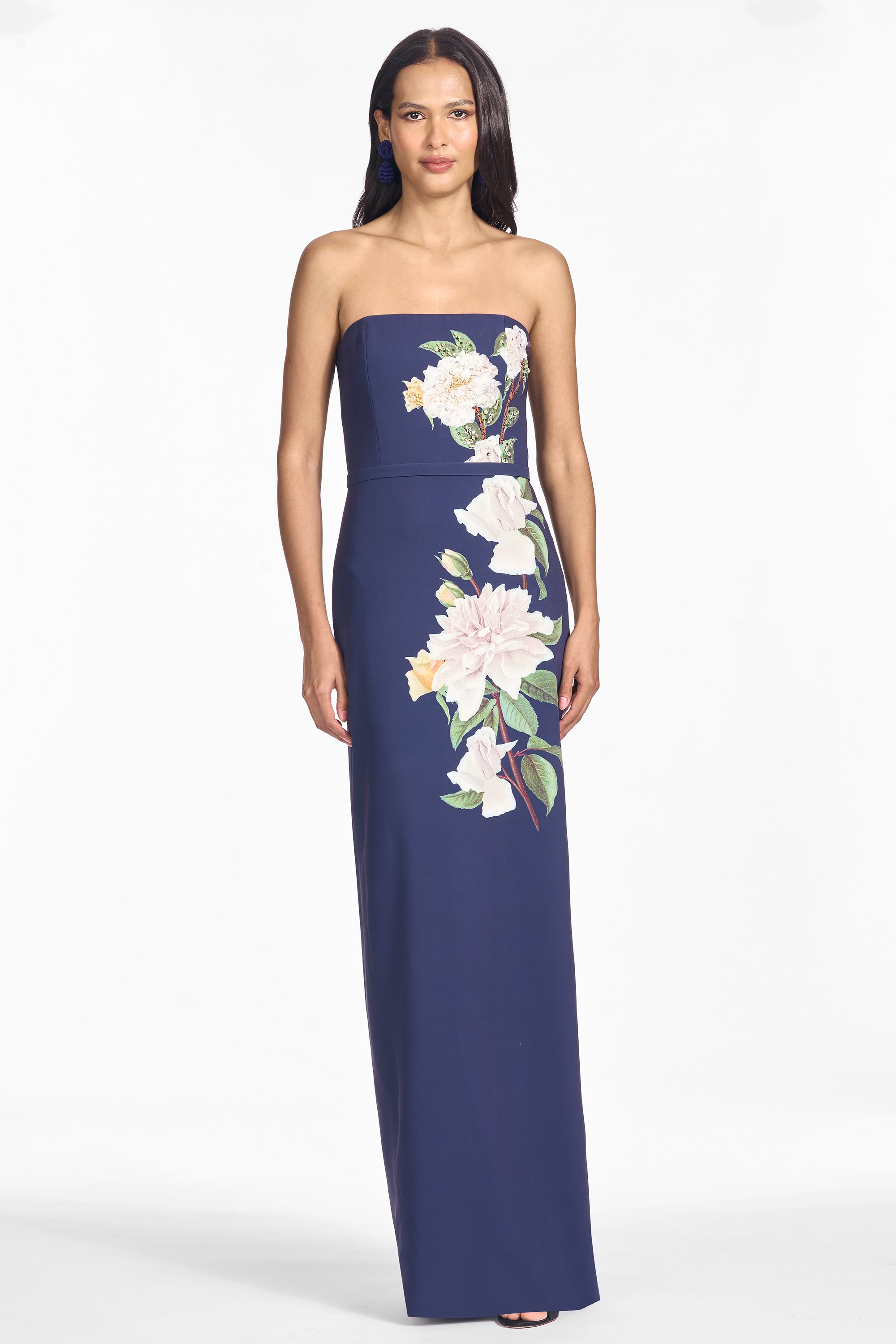
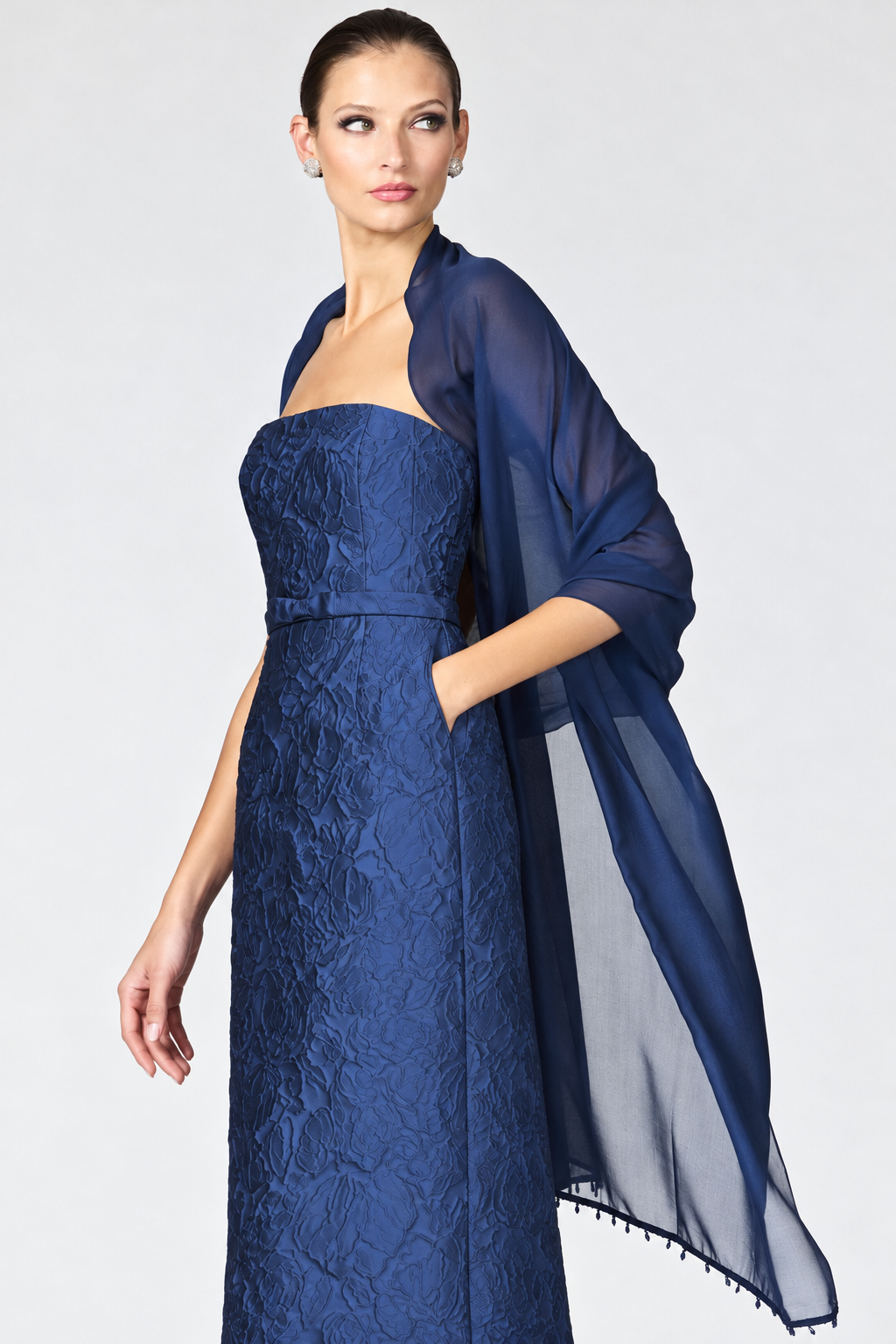
Gowns are built around a defined shape that holds from bodice to hem. The most recognizable is the ball gown, a name that describes the entire garment: a fitted bodice and a full, voluminous skirt. Sleeker gowns are just as intentional: a column gown creates a long, elongated line, a sheath follows the body, and a mermaid fits closely before flaring near the knee.
Dresses use many of the same shapes, often in a lighter way. A-line, for example, can describe just the skirt, which flares gently from the waist. That skirt appears on a knee-length cocktail dress as easily as on a floor-length gown.
Fabric and Construction
Gowns are made in fabrics with weight and drape, such as silk, satin, taffeta, organza and tulle. They often include structured bodices, linings, hand embroidery or embellishment that read as evening wear. Dresses range more widely, from lightweight crepe and printed chiffon to embellished fabrics for dressier events. At Sachin & Babi, signature embroidery is worked by skilled artisans in the brand’s Mumbai atelier, bringing that artistry to gowns and dresses alike.
Formality
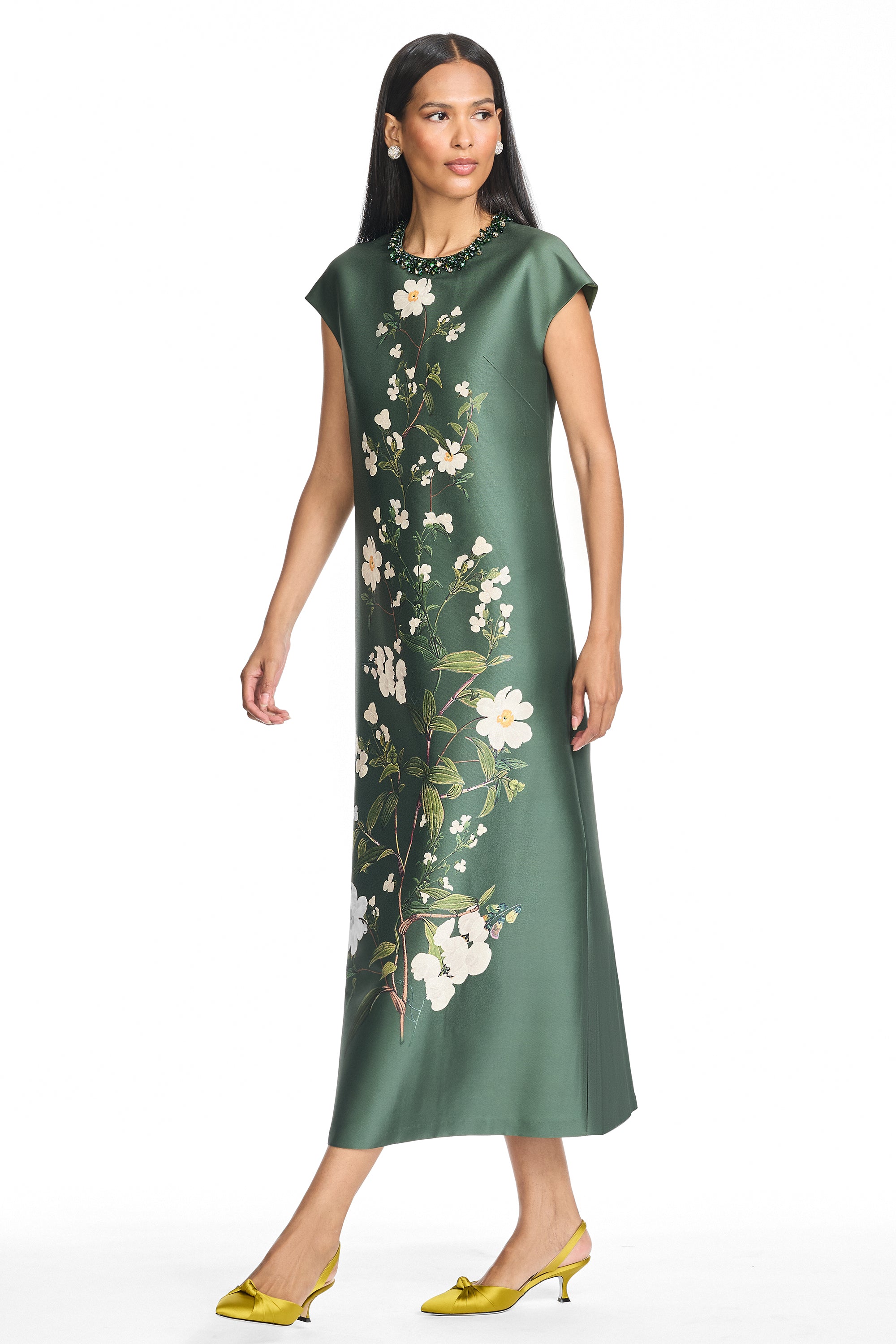
This is the clearest line. A gown is always formal: it belongs at black-tie events, galas, formal events and weddings. A dress takes its formality from its style. The same category covers a floral midi for a daytime celebration and a beaded cocktail dress for an evening party.
Gowns vs. Dresses at a Glance
| Gown | Dress | |
|---|---|---|
| Length | Floor- or ankle-length, sometimes with a train | Any length: mini, knee, midi, tea, maxi |
| Silhouette | Defined shape from bodice to hem: ball gown, column, mermaid, sheath | Any shape: A-line, fit-and-flare, wrap, shift and more |
| Fabric | Silk, satin, taffeta, organza, tulle; structure and embellishment | Wide range, from light crepe and chiffon to embellished fabrics |
| Formality | Always formal | Casual to formal, depending on style |
| Best for | Black-tie events, galas, formal events, weddings | Cocktail parties, weddings, daytime events, casual occasions |
When to Wear a Gown vs. a Dress
The occasion decides more than personal taste does. Start with the dress code on the invitation, then think about the venue and the time of day.
When to Wear a Gown
Choose a gown when the event is formal and takes place in the evening:
- Black-tie events, where floor-length is the expected standard
- Galas and benefit dinners, where a gown matches the scale of the room
- Formal events such as award ceremonies, opera openings and milestone celebrations
- Weddings with an evening ceremony or a black-tie reception
For a formal evening wedding, a gown is also the natural choice for the mother of the bride, who wants to feel beautifully dressed and at ease through family portraits, dinner and dancing. Explore our evening and formal gowns for ball gowns, columns and embroidered styles made for these moments.
When to Wear a Dress
A dress takes its cue from its style, so the occasion range is wider:
- Cocktail parties, where a knee-length or midi dress feels right
- Weddings with a daytime, garden or semi-formal dress code, where semi-formal dresses fit right in
- Daytime events such as luncheons, showers and graduations
- Casual occasions, from dinners out to warm-weather trips
A floral midi works for a wedding guest at a garden ceremony, while an embellished cocktail dress carries easily into an evening party. Browse our dresses to find the length and silhouette that fit your event.
How to Choose: Reading the Dress Code
When you are unsure, the dress code is your best guide. These are general patterns; any specific direction from your hosts comes first.
| Dress code on the invitation | What to wear |
|---|---|
| White tie | A floor-length evening gown; a ball gown suits the setting |
| Black tie | A floor-length gown; our black tie dresses are curated for this dress code |
| Black-tie optional | A gown, or an elevated cocktail or midi dress |
| Formal | A gown for evening; a refined long or midi dress can work in daytime |
| Cocktail | A knee-length or midi dress |
| Semi-formal or daytime | A refined knee-length, midi or tea-length dress |
| Casual | A relaxed dress in an easy silhouette |
Three more questions help settle the choice:
- What time does it start? Events after 6 p.m. lean toward gowns; daytime events lean toward dresses. A formal dress code still wins over the hour.
- Where is it? A ballroom or museum suits a gown. A garden, vineyard or beach usually suits a dress.
- What is your role? If you are part of the wedding, the couple may set the length for you. Bridesmaids, for example, often coordinate in matching gowns for an evening ceremony.
Frequently Asked Questions
Are dresses and gowns the same thing?
Not quite. A gown is a type of dress: a long, formal style made for evening events. “Dress” is the broader term and covers every length and level of formality.
What makes a gown a gown?
A gown combines a long hem, a defined silhouette, formal fabrics and a formal purpose. Length alone is not enough; a casual maxi dress is still a dress.
What is the difference between a gown and a long dress?
A long dress is simply a dress with a long hem, and it can be casual. A gown is long and formal, with the structure and fabric to match a black-tie event or gala.
What is the difference between a gown and a maxi dress?
A maxi dress is defined by its ankle-length hem and is often relaxed, flowing and suited to daytime. A gown is defined by its formality, so it is cut and finished for evening occasions. A maxi designed for a formal event can also be a gown.
Is a ball gown the same as an evening gown?
A ball gown is one kind of evening gown. The name describes the whole garment: a fitted bodice with a full, voluminous skirt. Evening gowns also include sleeker shapes like column and mermaid styles.
Can a midi dress be formal?
Yes. A midi in an embellished or structured fabric can suit a formal daytime event or a black-tie optional evening. For white tie or traditional black tie, choose a floor-length gown.
Can I wear a gown to a wedding?
Yes, when the wedding is formal or black tie, especially in the evening. For a daytime or garden wedding, a dress is usually the better fit.
Why is it called a gown?
The word reached English through Middle English goune and Anglo-French, from Late Latin gunna, a long outer garment. It still describes ceremonial robes, such as academic gowns. In occasion wear, it means a long, formal dress.